
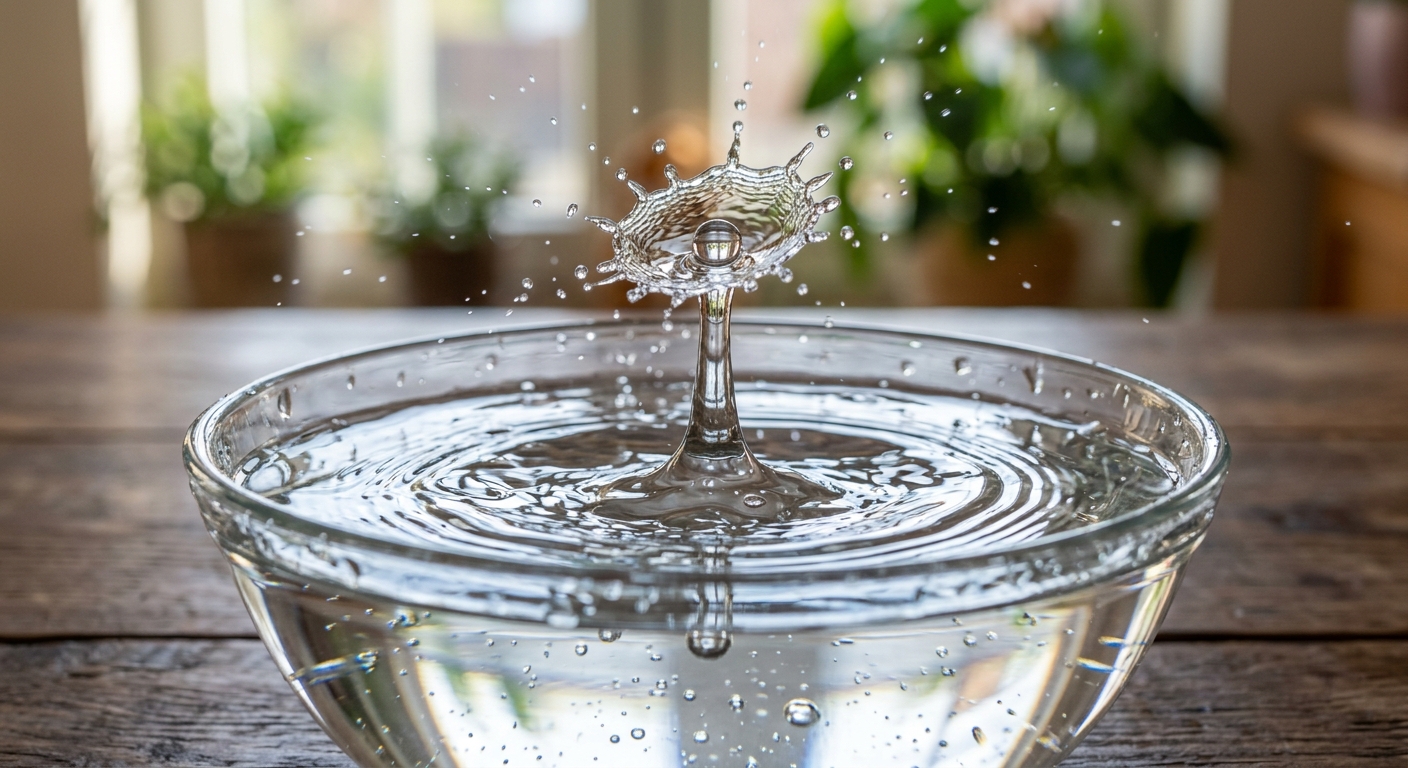
The water must be potable and well-balanced—ideally with a hardness of around 25 degrees—and must not be heavily chlorinated.
Water temperature is a decisive factor in balancing the bread-making process. To achieve this balance, a "reference temperature" is used; when working in degrees Celsius, this value depends on the bread recipe and falls between 50 and 67. We will call this value the BASE TEMPERATURE (BT).
Calculations regarding water requirements and temperature are detailed in the section titled BAKERY MATHEMATICS.
WATER ANALYSIS
A minimum analysis involves determining organoleptic characteristics (odor and taste), physicochemical characteristics (conductivity), characteristics related to undesirable substances (nitrites and ammonia), microbiological characteristics (total and fecal coliforms), and disinfectant agents (residual chlorine and other authorized disinfectants).
A standard analysis includes the items mentioned above plus determinations of organoleptic characteristics (turbidity), physicochemical characteristics (temperature and pH), characteristics related to undesirable substances (nitrates, oxidizability), and microbiological characteristics (aerobic bacteria at 37°C and 22°C).
WATER HARDNESS
Water hardness varies depending on the source. It relies on the geological nature of the location where the water originates. The more minerals—such as calcium or magnesium—the water absorbs, the harder it becomes.
Hardness is measured in °F (French degrees) or in moles or millimoles. Water hardness is a measure of the amount of calcium and magnesium dissolved in the water.