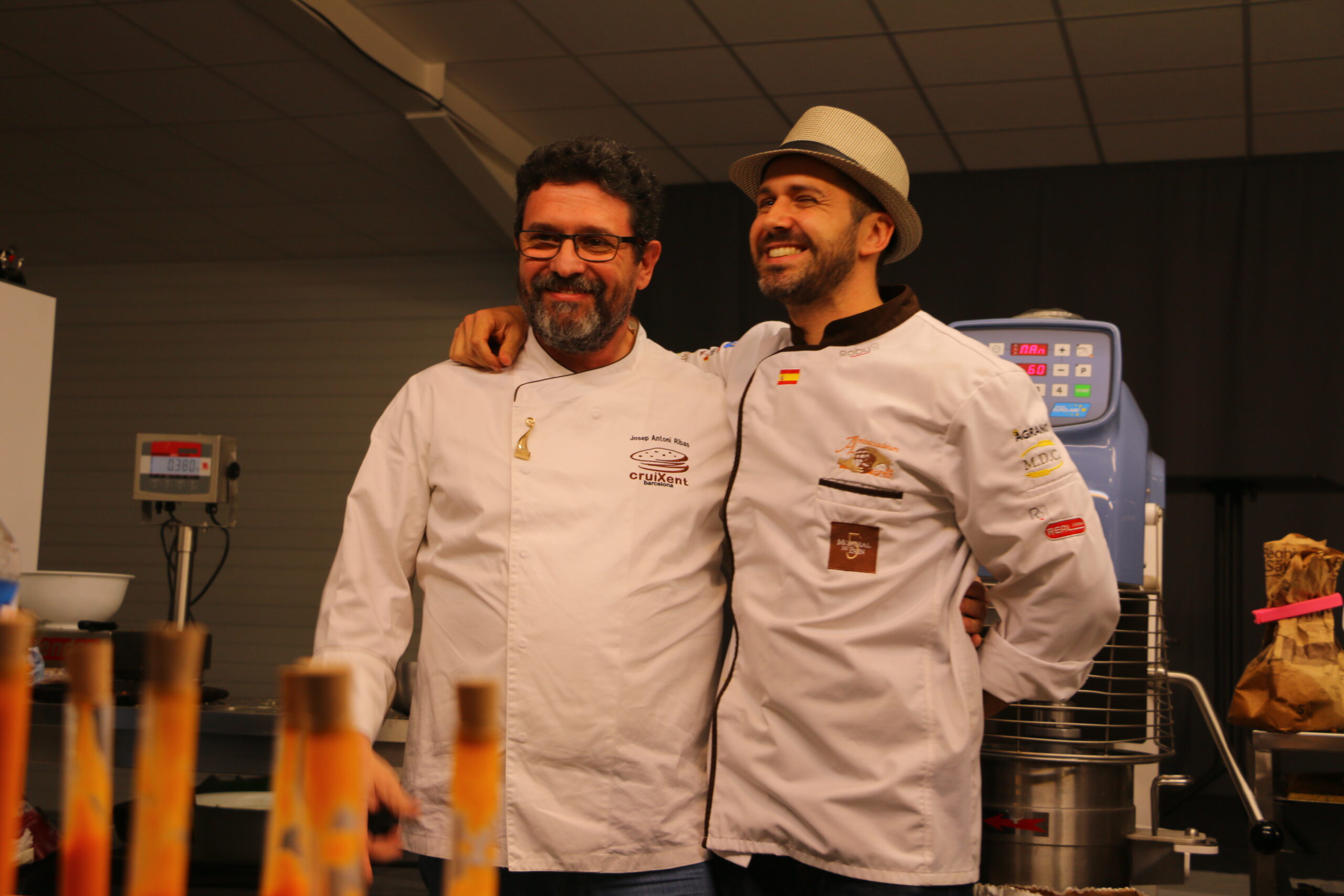
Josep Antoni Ribas Author's Bread
In the late 70s and early 80s something was born in France that at the time no one really knew what to call, but which changed the bakery forever: the idea that a bakery could offer more than just bread. That "fashion", if we want to call it that, quickly crossed the border and entered Spain through Barcelona. And it's not a coincidence. Barcelona has always been the gateway for European innovation to Spain, the place where new things arrived first and were tested.
And here I have to name someone who was key in all of this and, personally, marked me for life: Pedro Gallés. He was one of the great introducers of this concept in Barcelona, and I was lucky—immensely lucky—to be by his side in those years, experiencing the change from within, not reading it later in a book.
And why did this happen? Because even then bread consumption was beginning to fall. And the baker found himself with a clear dilemma: either he would stay put and watch sales decline, or he would reinvent himself. And it reinvented itself by expanding its range: it entered strongly into pastries (sweet and savory) and individual pastries.
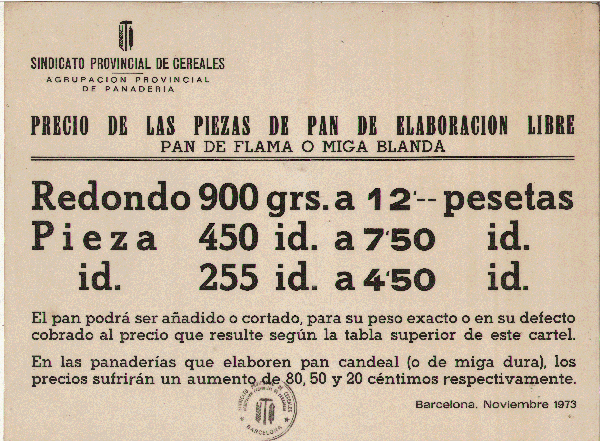
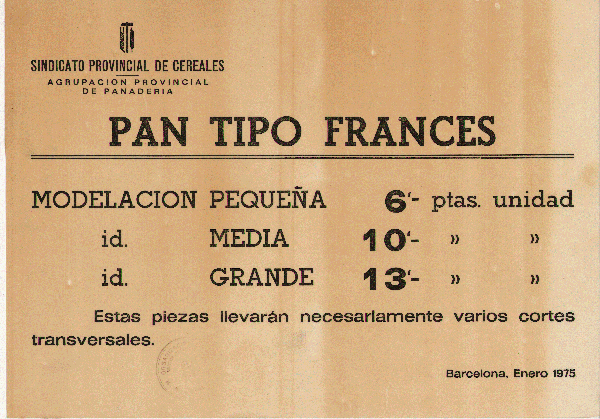
And here I want you to pay attention to an important nuance, because it is not a minor detail: until that moment, pastry was practically synonymous with a large product. A cake, a celebration cake. It was the product you bought for a birthday, a communion, a wedding, a Sunday meal with the family. You needed a reason.
That changed. The consumer began to want to indulge in a gourmet treat without the need for any excuse. It no longer needed to be anyone's birthday to indulge in something good. And that change in mentality—from "I buy it because I have to celebrate" to "I just deserve it today"—is, deep down, the seed of everything we call bakery coffee today.
And this seed, in Barcelona, found the perfect soil to germinate in the neighborhoods where there was a high concentration of offices. In those areas, breakfast bars began to proliferate, and the baking sector, which was already expanding its range of products, saw a stream of customers there that it could not pass up.
So we started setting up a couple of tables. A coffee machine. And with that, without fully knowing it, a revolution started.
I was lucky enough to experience it from the inside, because I worked as a production manager in the first bakery, pastry shop and cafeteria that obtained municipal permission to have the three concepts in the same location, without physical separations between them. It was called EL NOSTRE PA. Our bread.
And believe me when I tell you that, at the time, it was a true revolution. Every day we saw "spies"—other bakers—who came to see how it worked, how it was organized, what was happening with the flow of people and product. And we recognized them right away, do you know why? For the footwear. Their shoes were stained with flour.
That detail, which may seem anecdotal, actually tells them everything they need to know: the entire sector knew that something important was happening, and no one wanted to be left out.
For me it all started in 1977, starting my activity as a baker's apprentice while I was studying engineering. Over the years, my passion for this craft increased, working in different large and small companies, thus adding experience and craft that finally became my first artisan bakery in 1990.
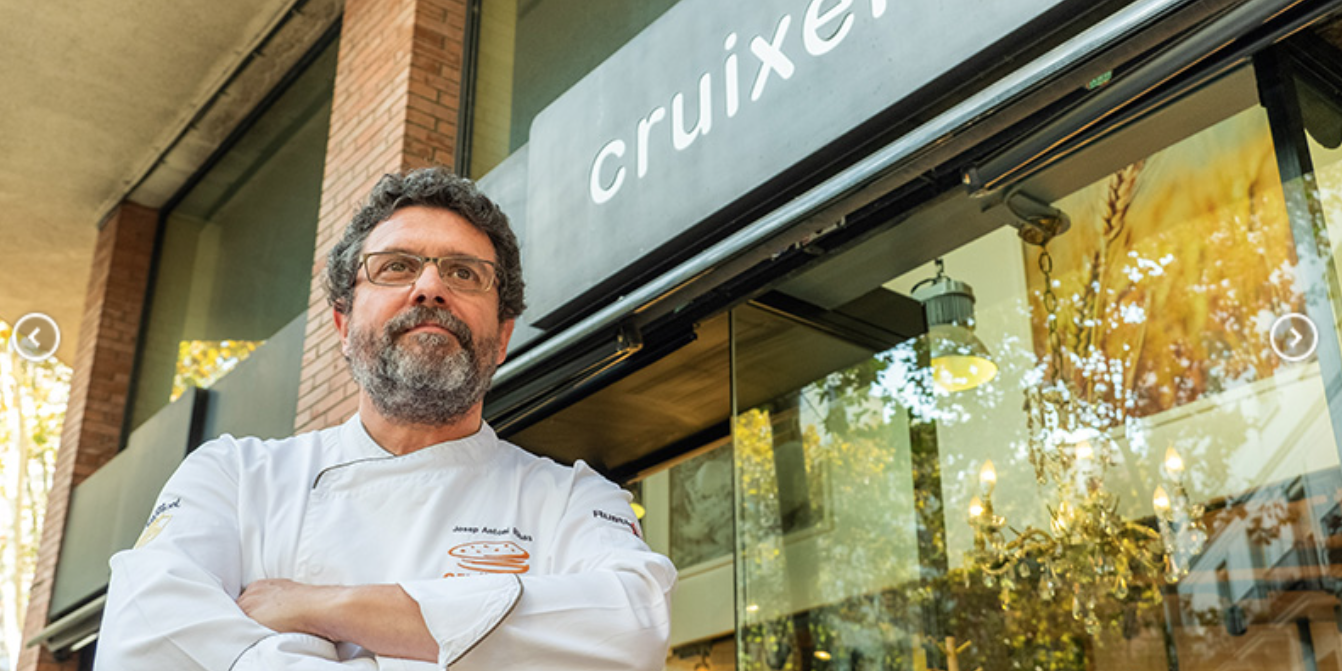
The hard work involved in starting a business helped me overcome and become obsessed with acquiring more and more knowledge. This led me to take many courses in France, Switzerland and Austria. This accumulation of knowledge and experiences helped me open different businesses in the city of Barcelona and the province of Castellón. All of this led to launching CRUIXENT (2012), being the sum and culmination of a lifetime dedicated to bread.
At the beginning of the millennium I began to provide advice to other bakeries. In the middle of the first decade I collaborated with several French companies as a technical advisor for Spain, which made me travel and get to know many Spanish and French bakeries, as well as their work methods.
France is where I acquired the methodology of liquid sourdoughs and bacterial fermentation, a technology that I have been applying since then in my bakeries.
At the beginning of 2020, after visiting Costa Rica, we decided to move our life to this country, continuing with business advice in the baking sector due to an increase in demand for our services in Latin America.
Academic Qualifications
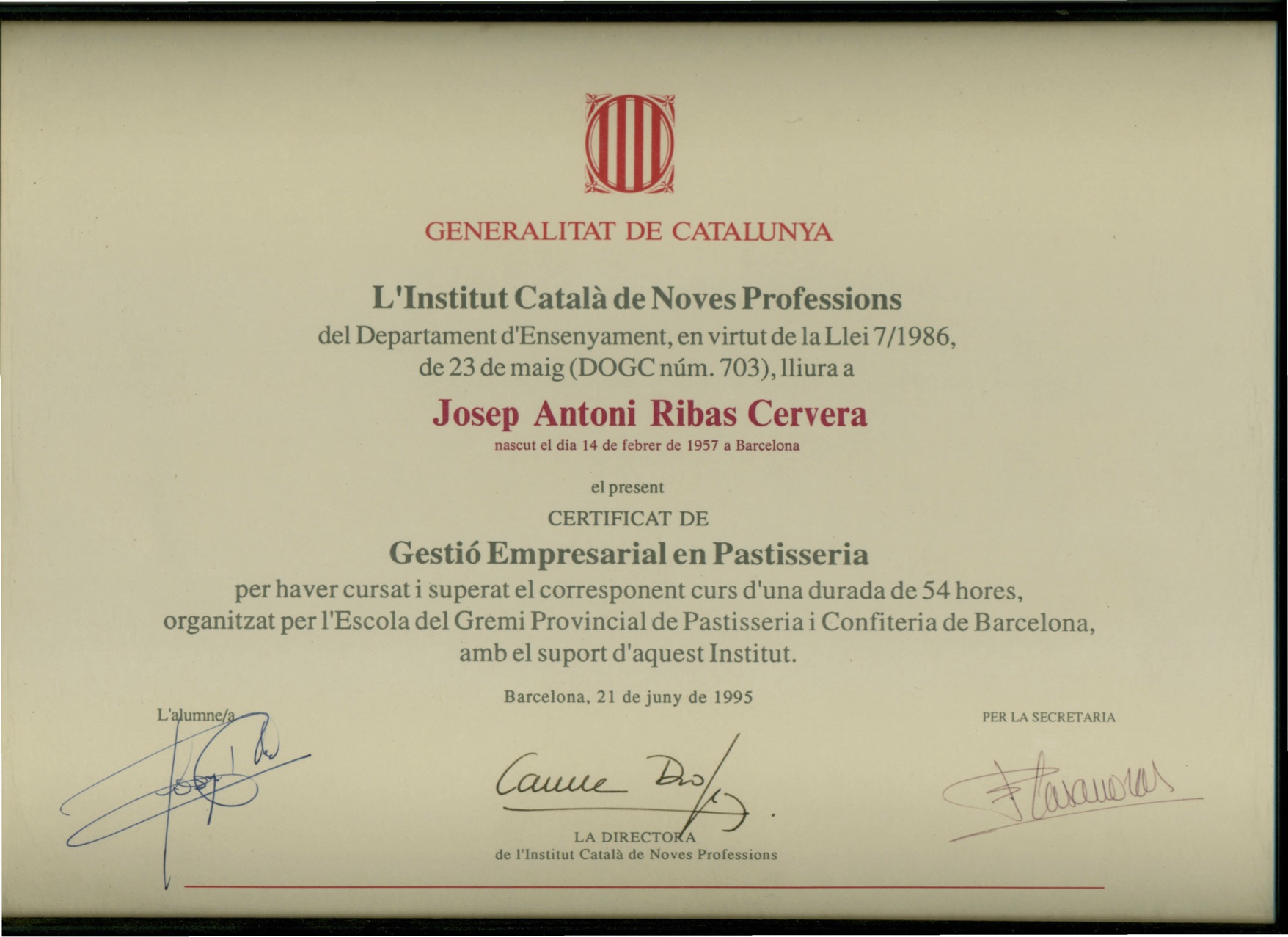
TITOL_GENERALITAT
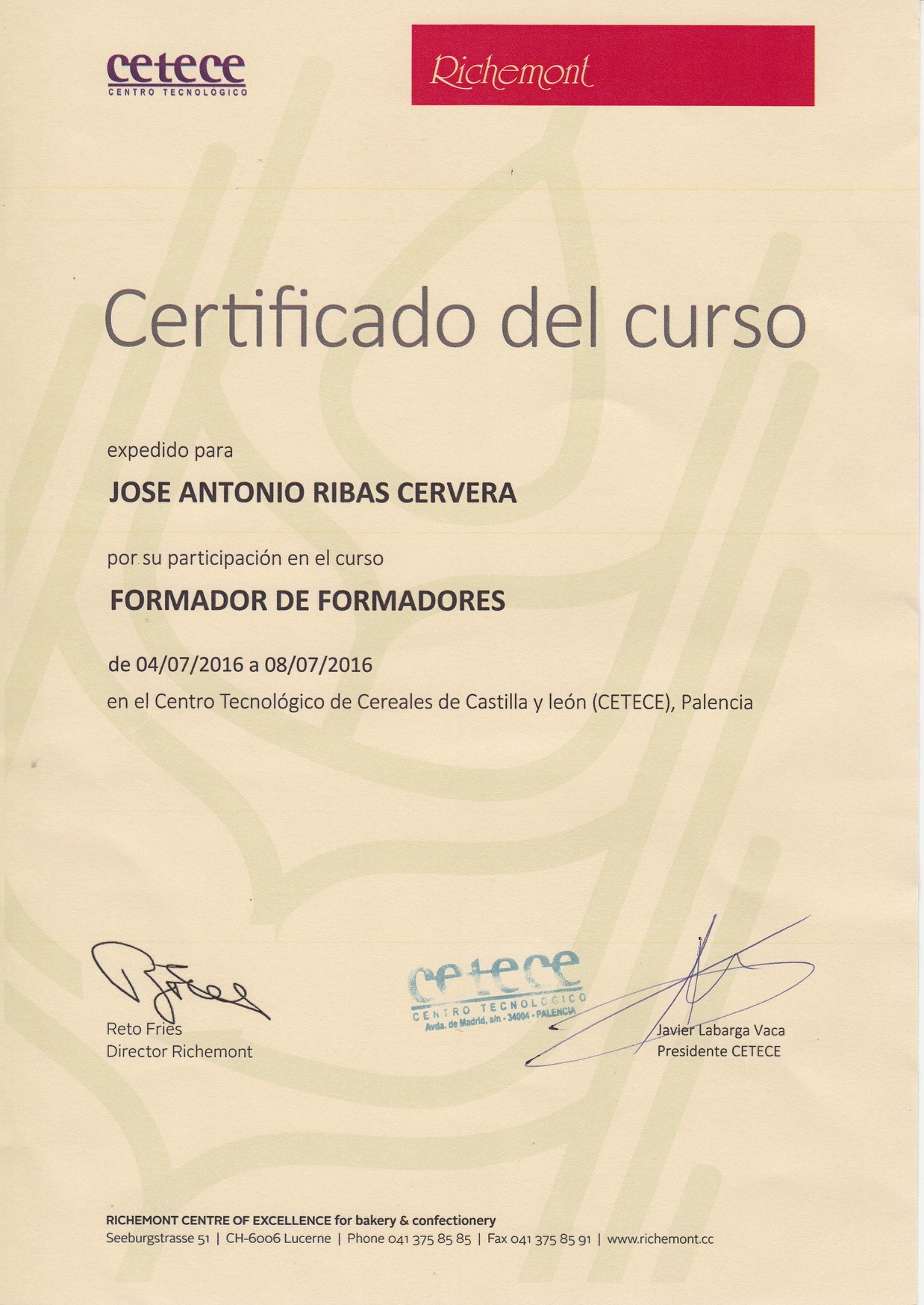
CURSO_FORMADOR
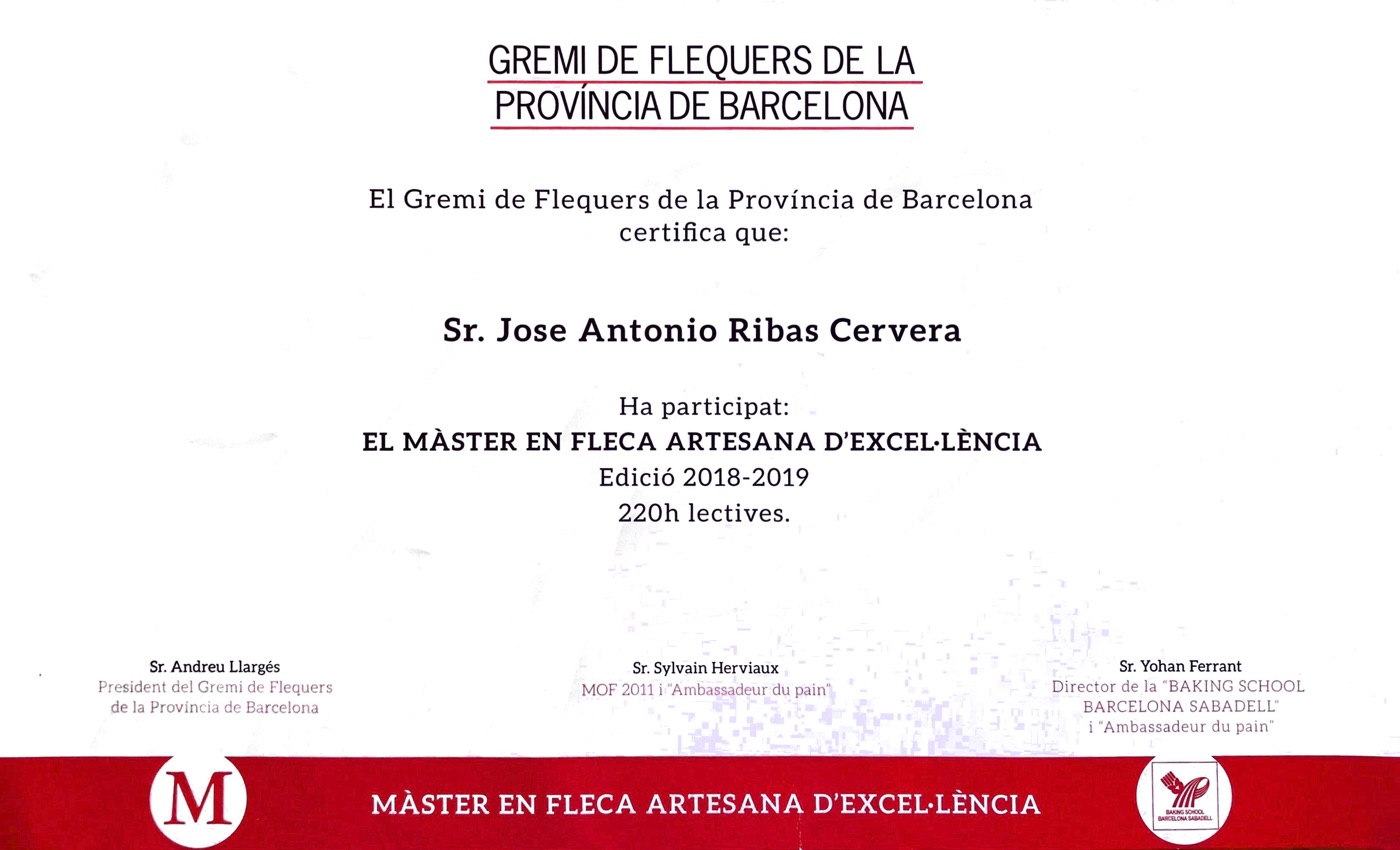
MASTER_PANADERIA_ARTESANA
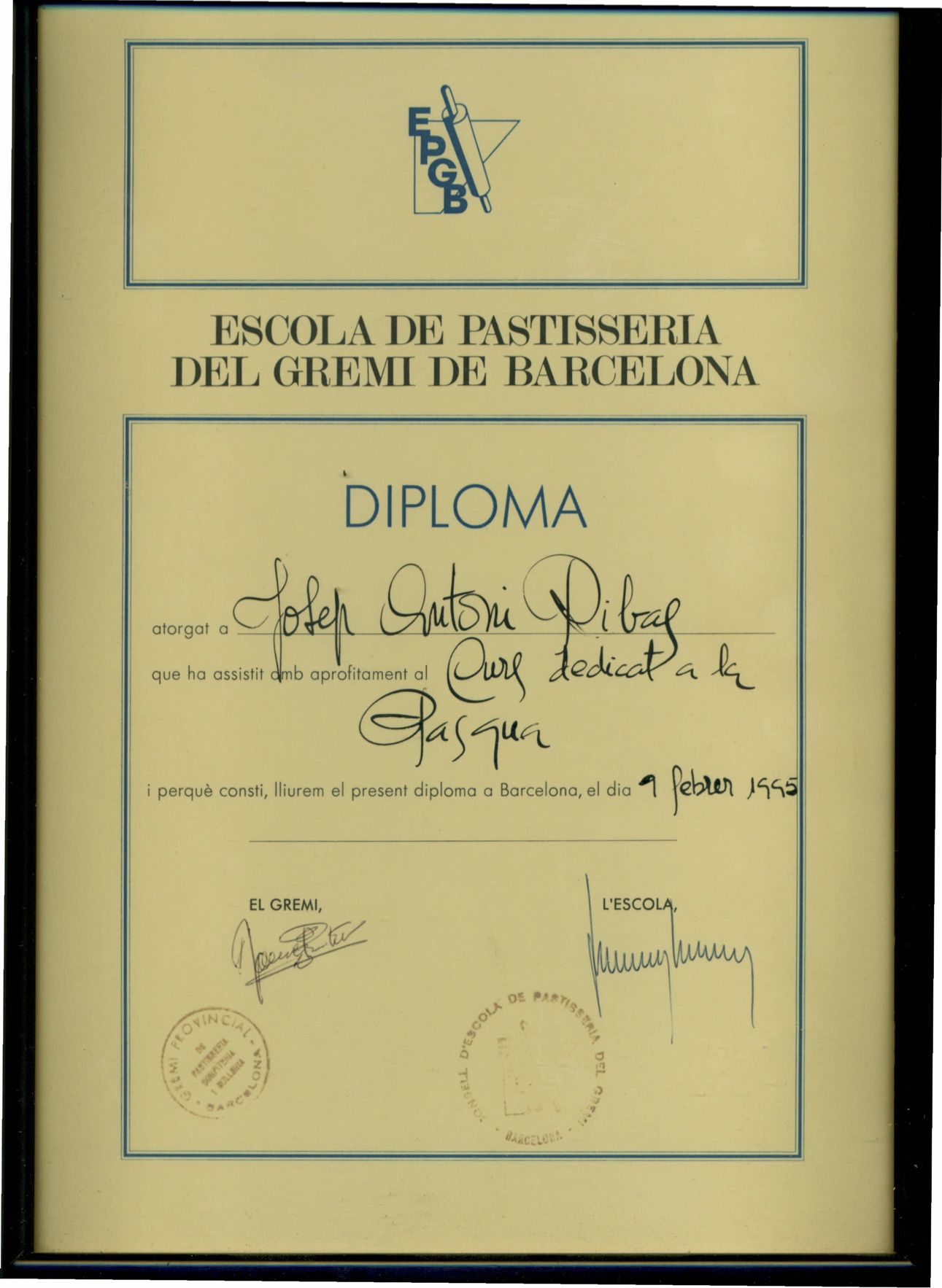
ESCOLA_DE_PASTISSERIA
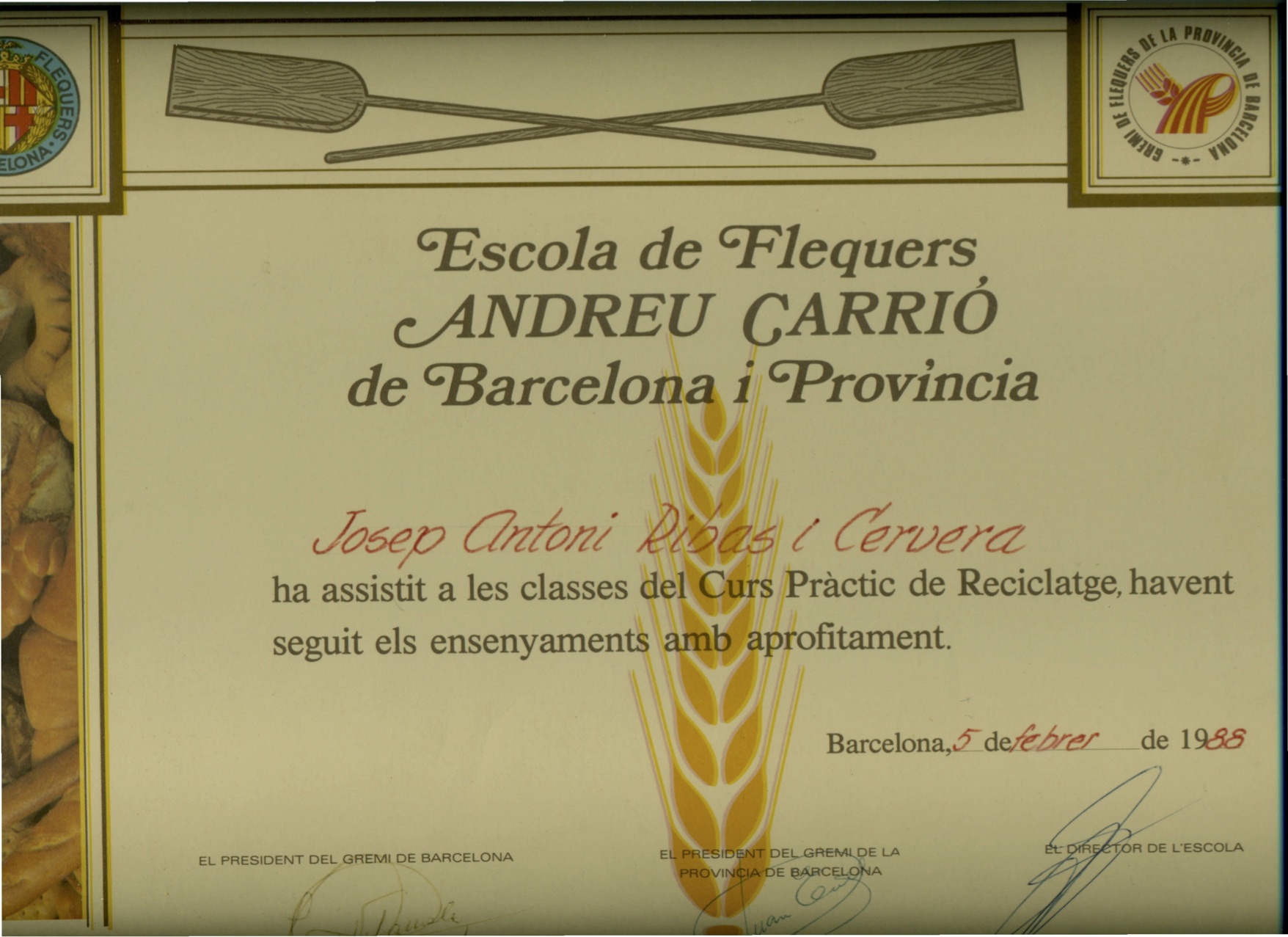
ESCOLA_DE_FLEQUERS
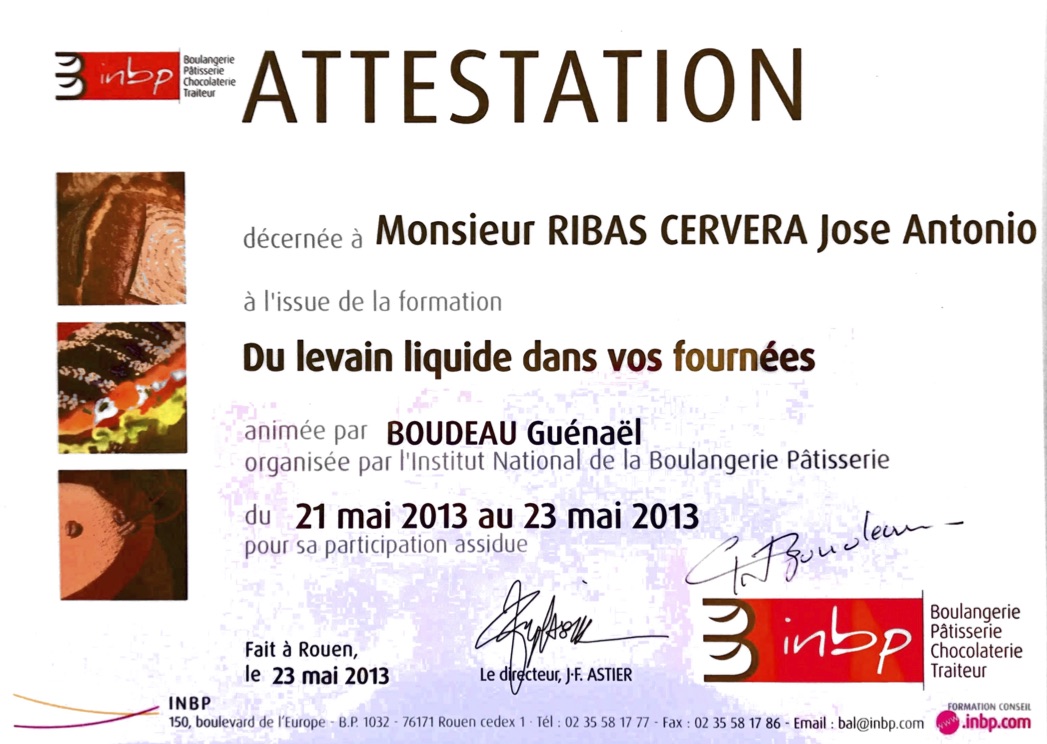
CURSO_LEVAIN_INBP
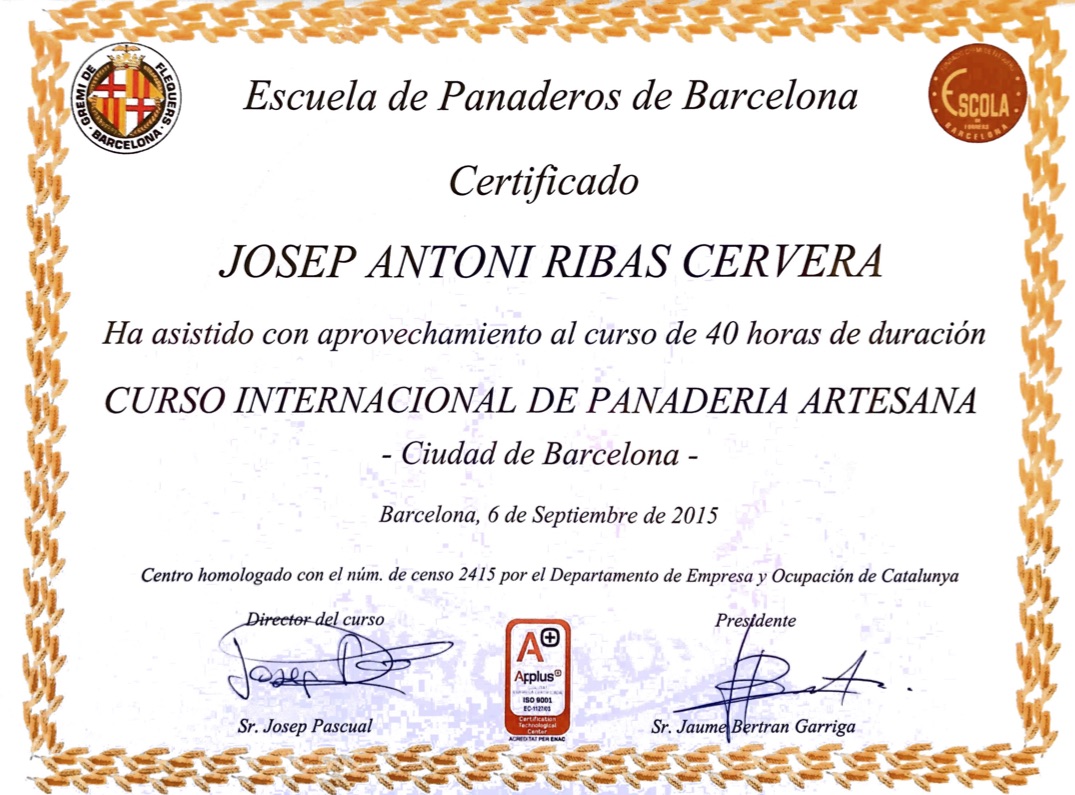
CURSO_INTERNACIONAL_ARTESANO_BARCELONA
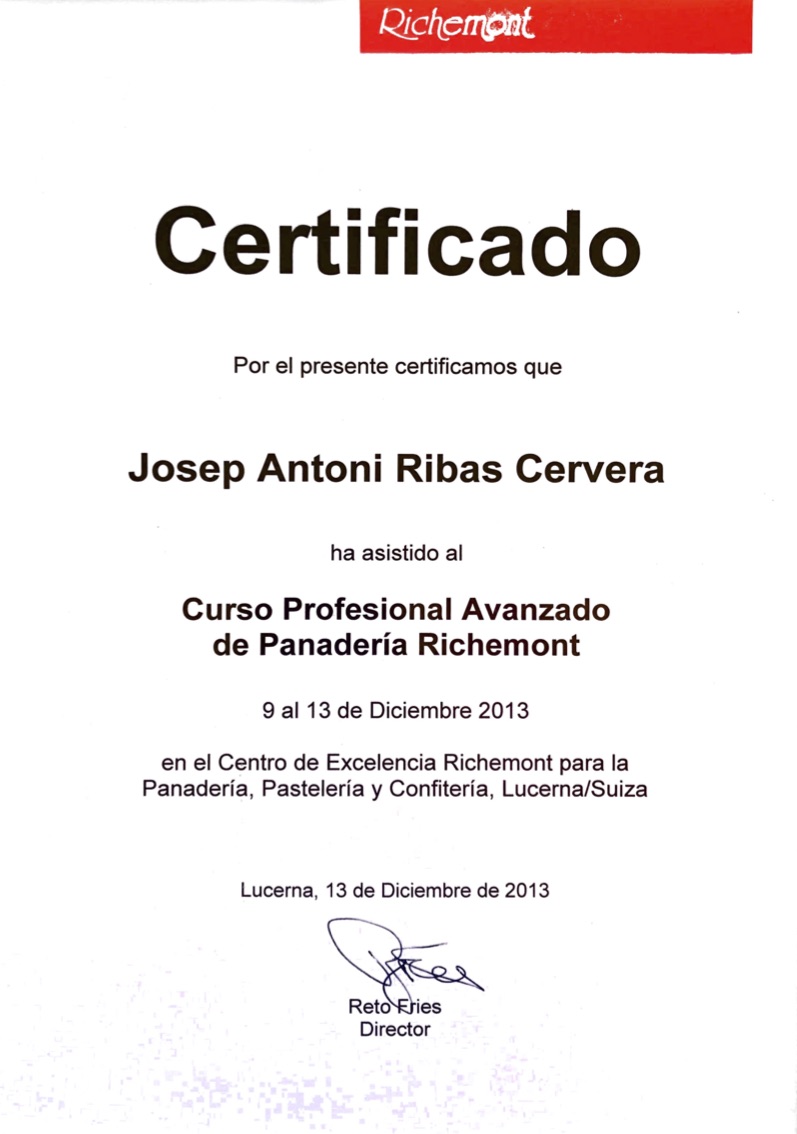
CURSO_AVANZADO_PANADERIA_SUIZA
Recognitions and Awards
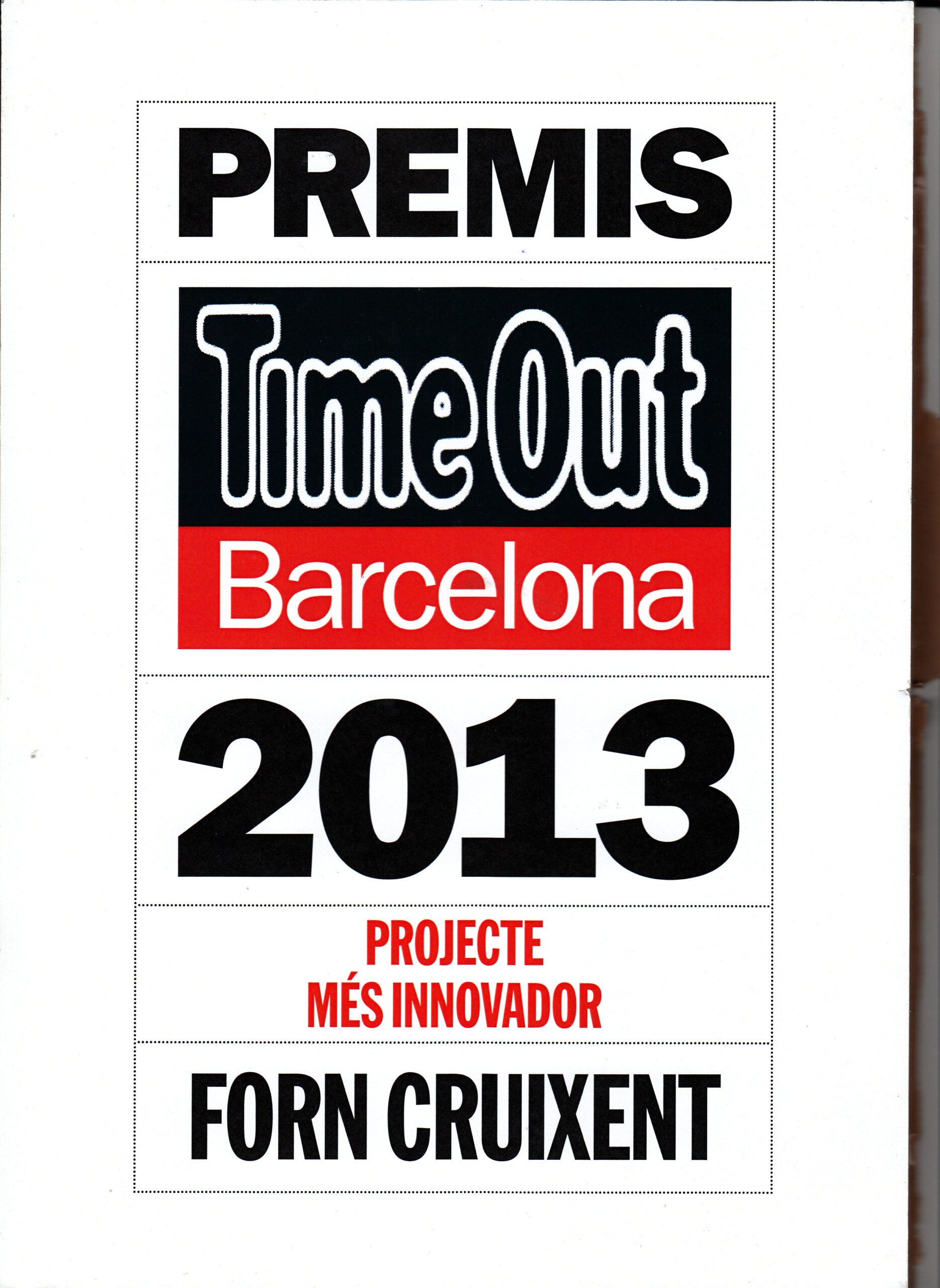
TIMEOUT_2013
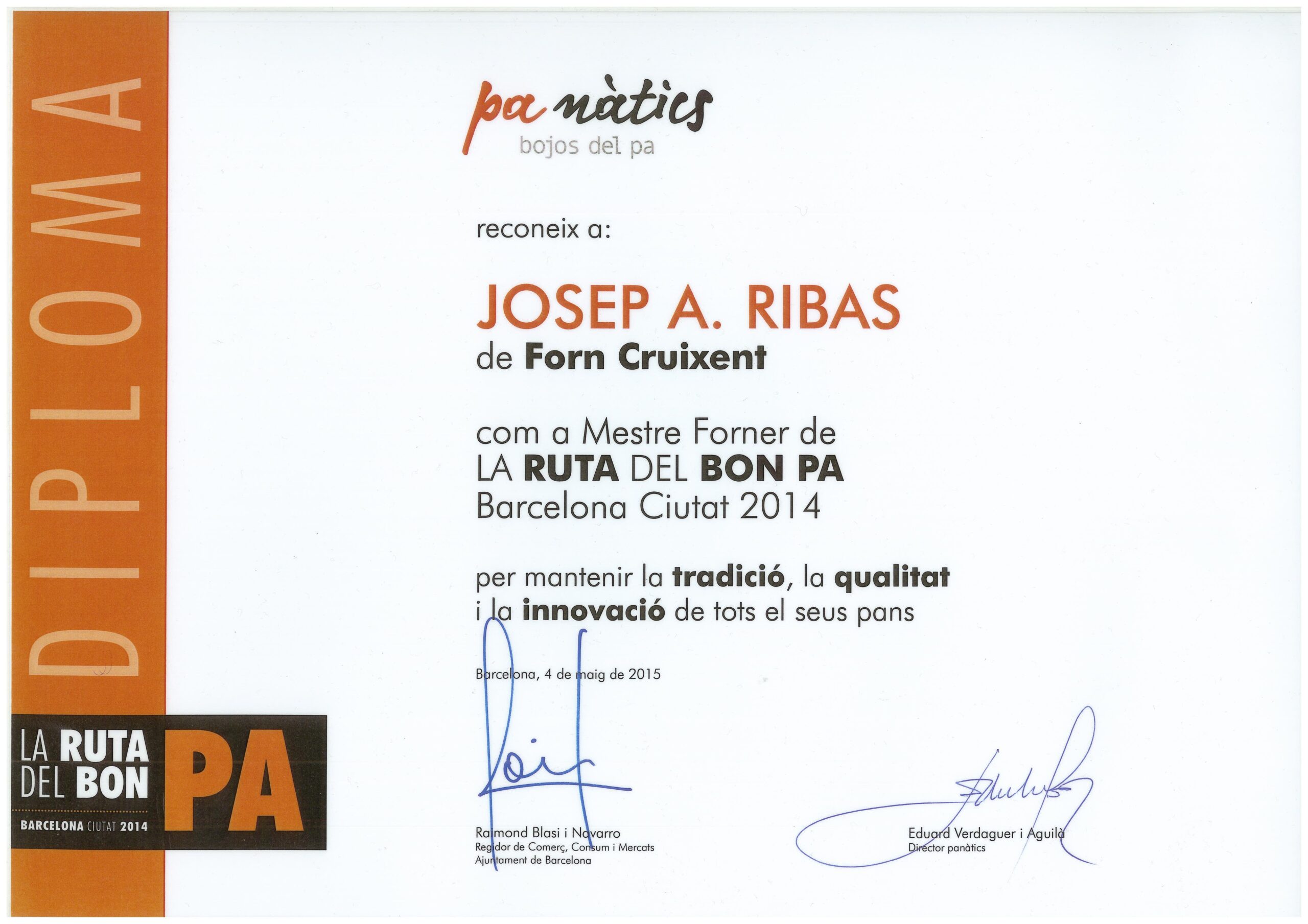
RUTA_BON_PA_BCN_2014
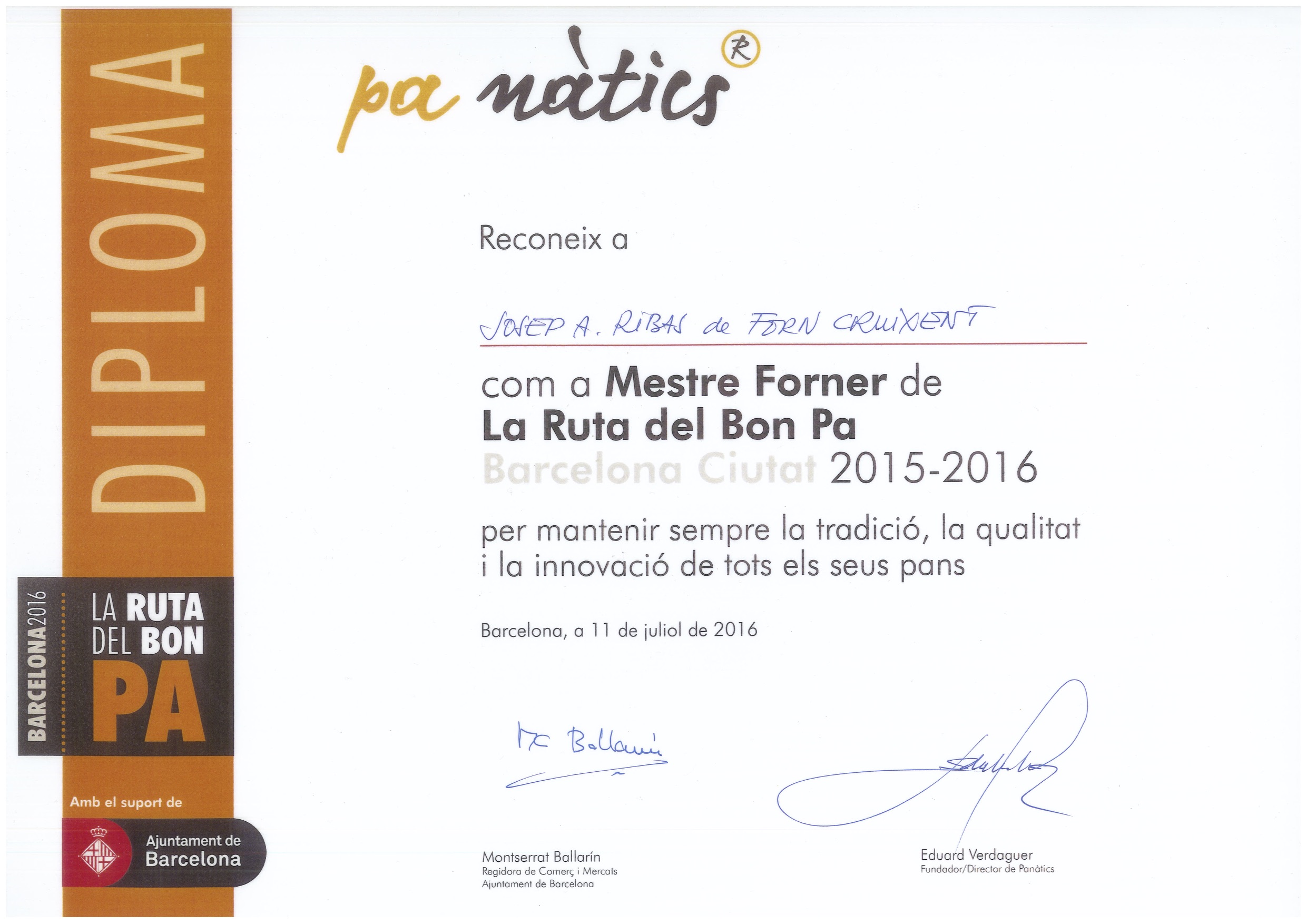
RUTA_BON_PA_BCN_2015
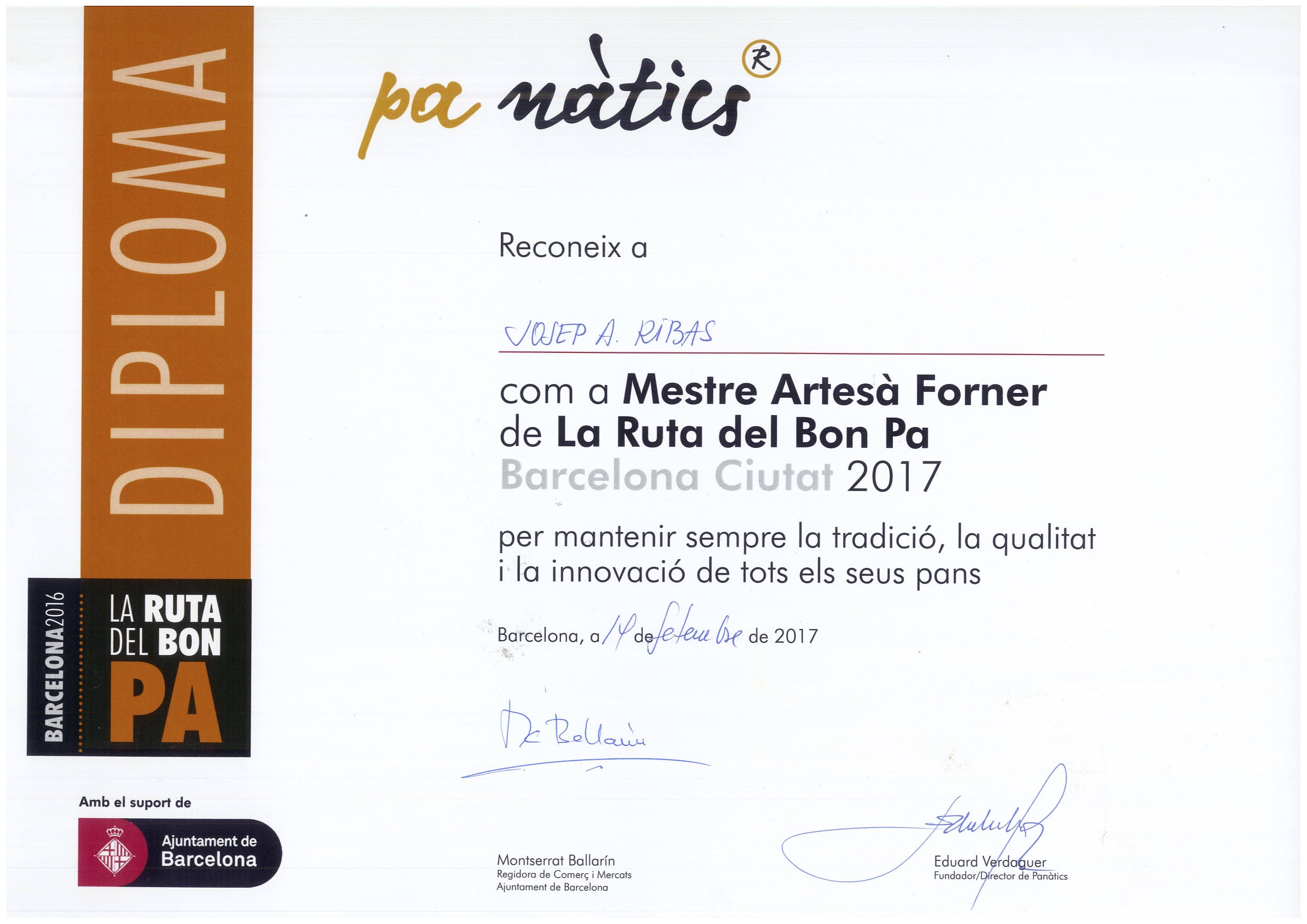
RUTA_BON_PA_BCN_2017
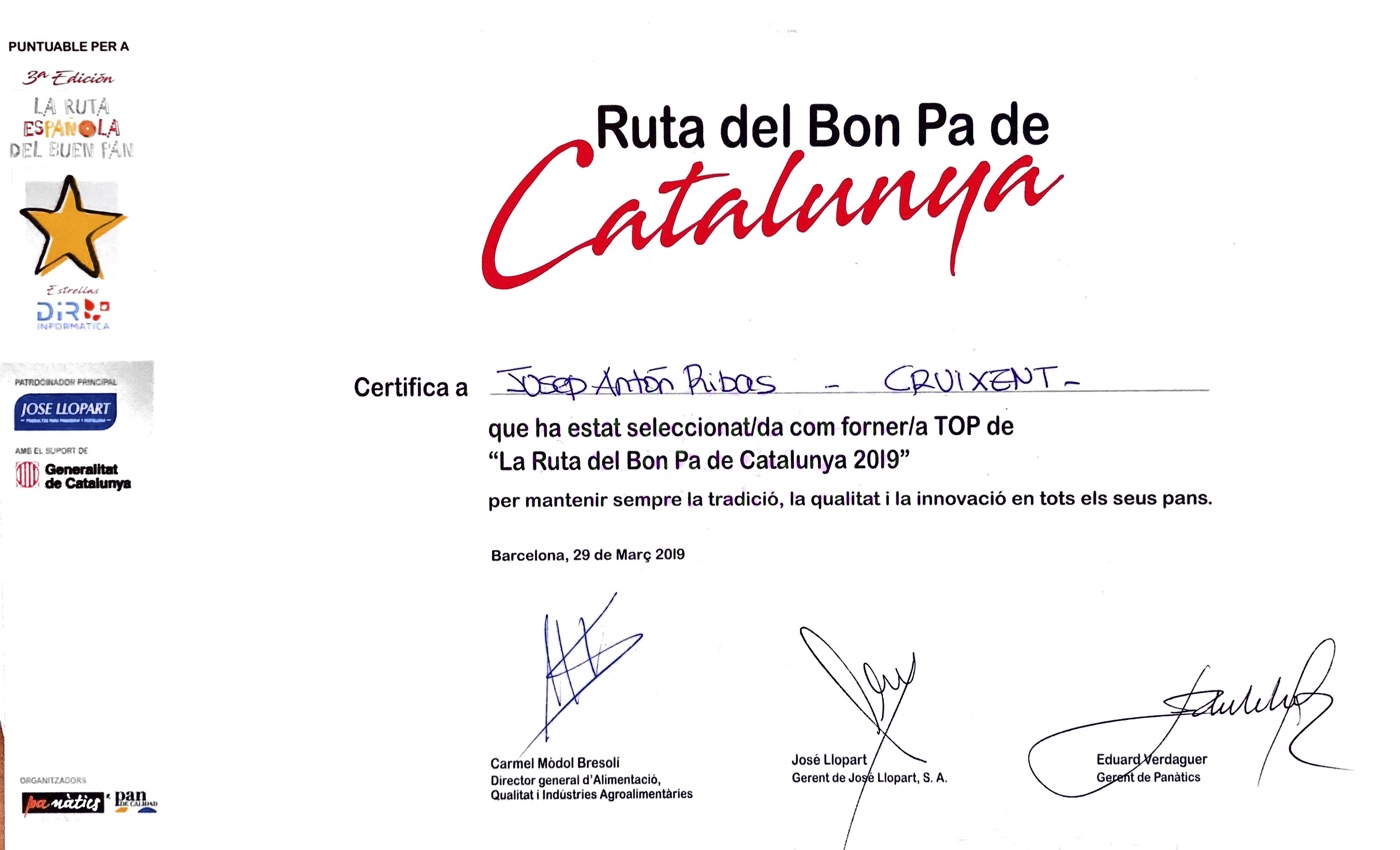
RUTA_BON_PA_CAT_2019
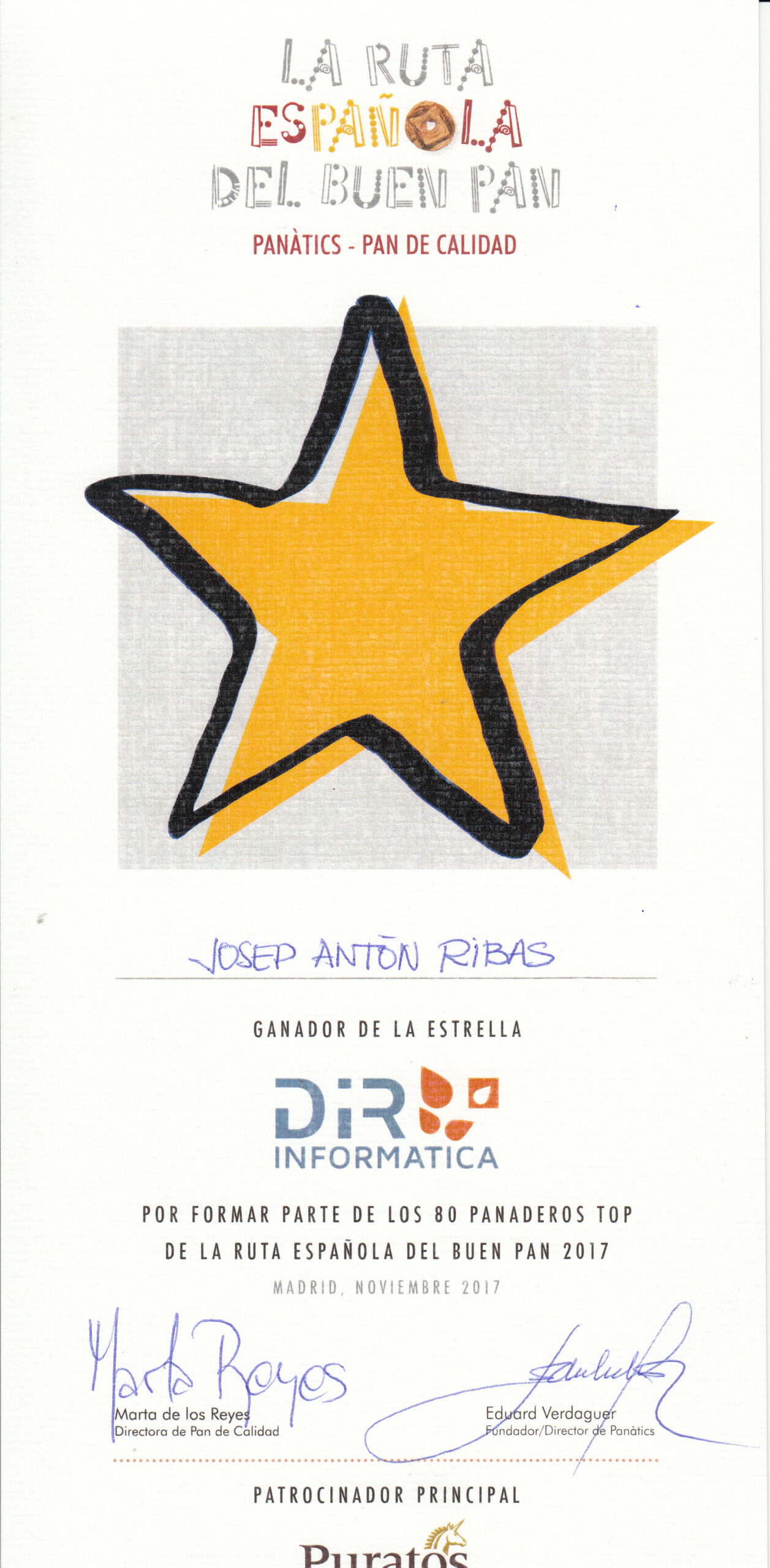
RUTA_BON_PA_ESPANYA_2017
Member of the Associations

AMBASSADEURS_DU_PAIN
RICHEMONT_ESP
RICHEMONT_MEX
Press
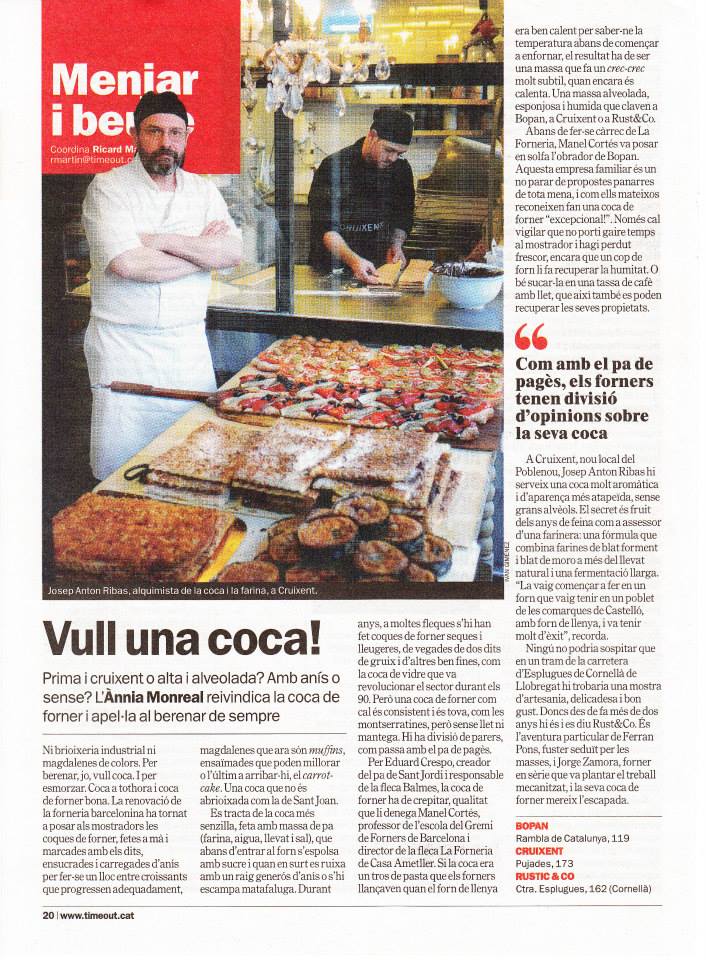
PRENSA_TIMEOUT_2012
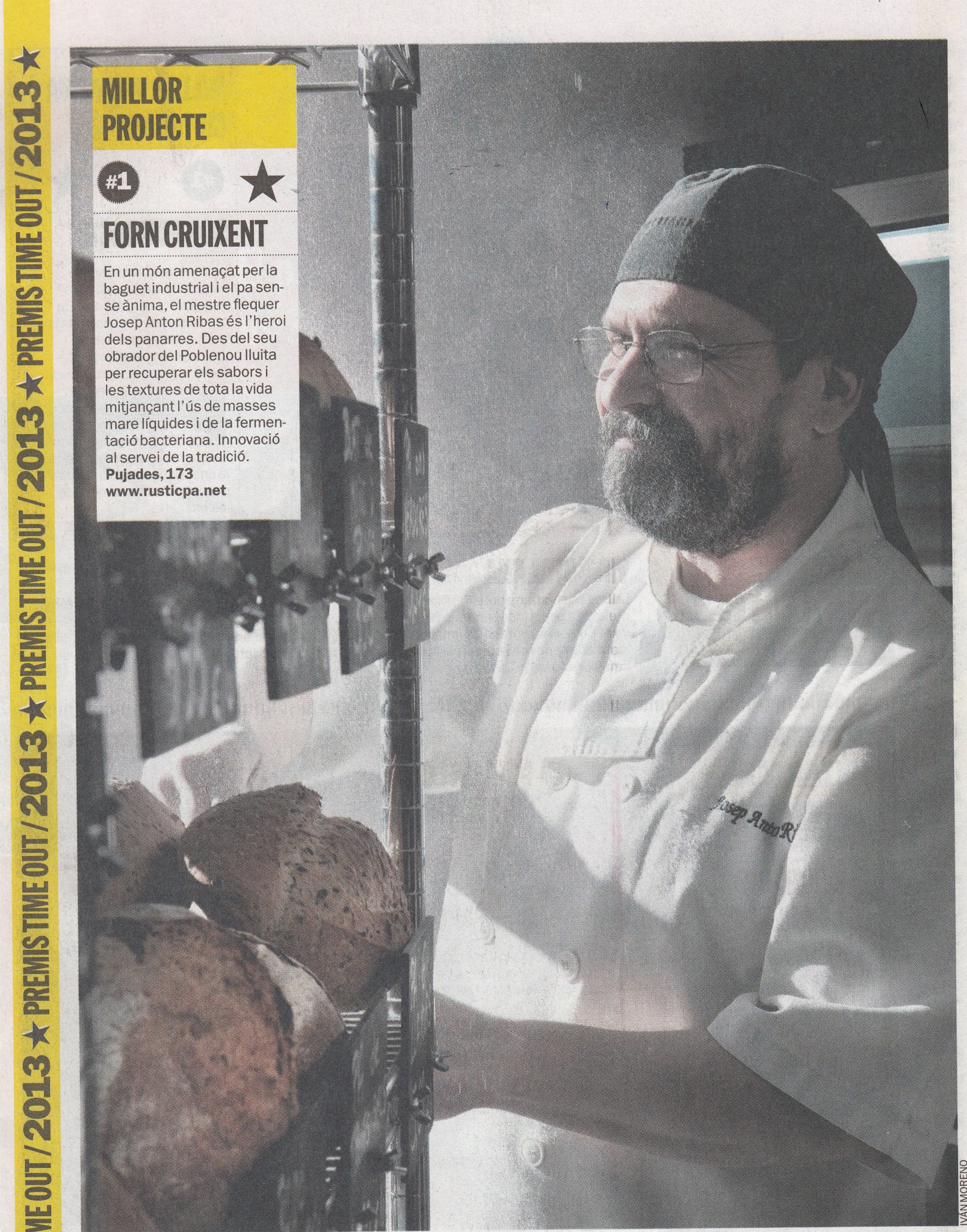
PRENSA_TIMEOUT_2013
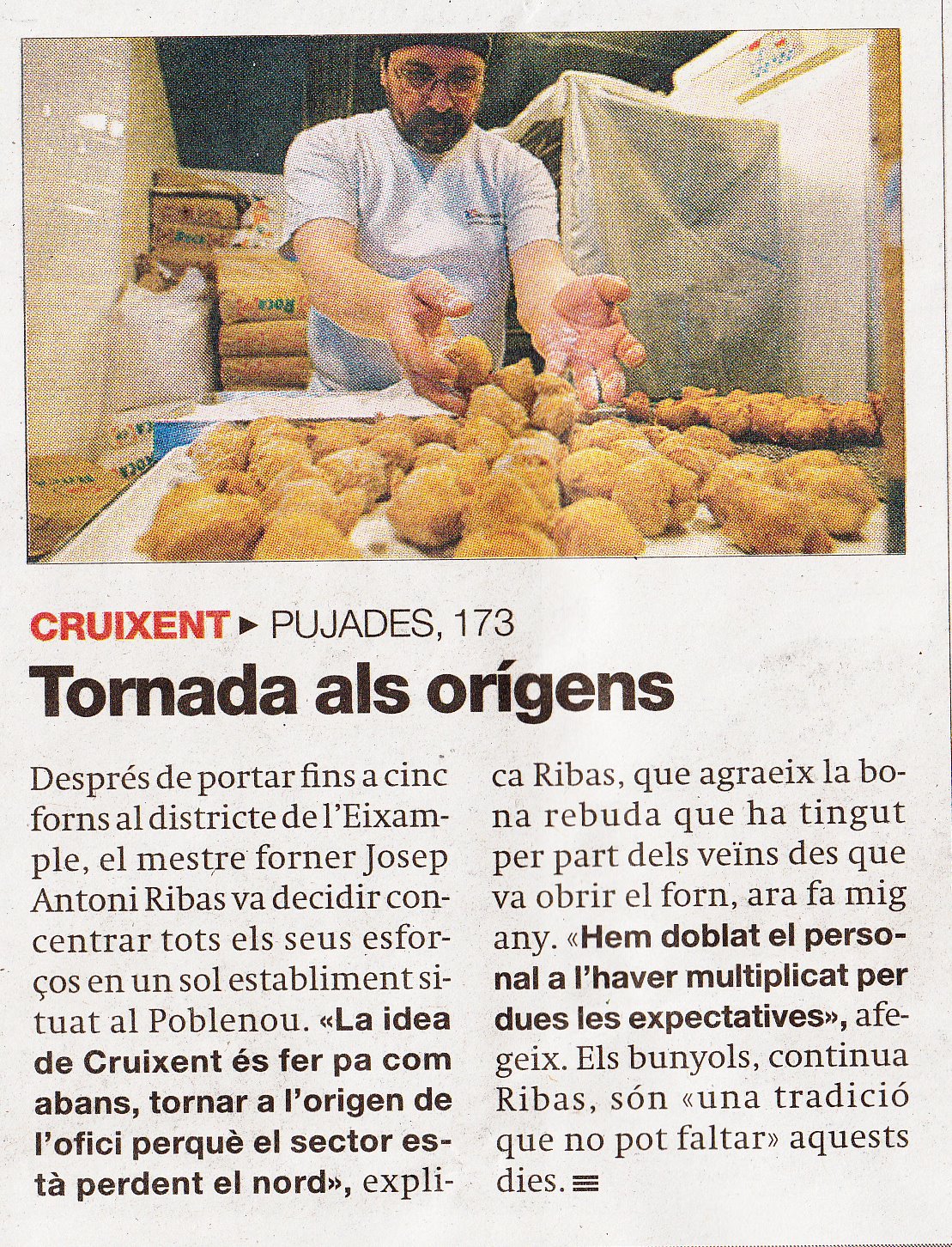
PRENSA_BUNYOLS
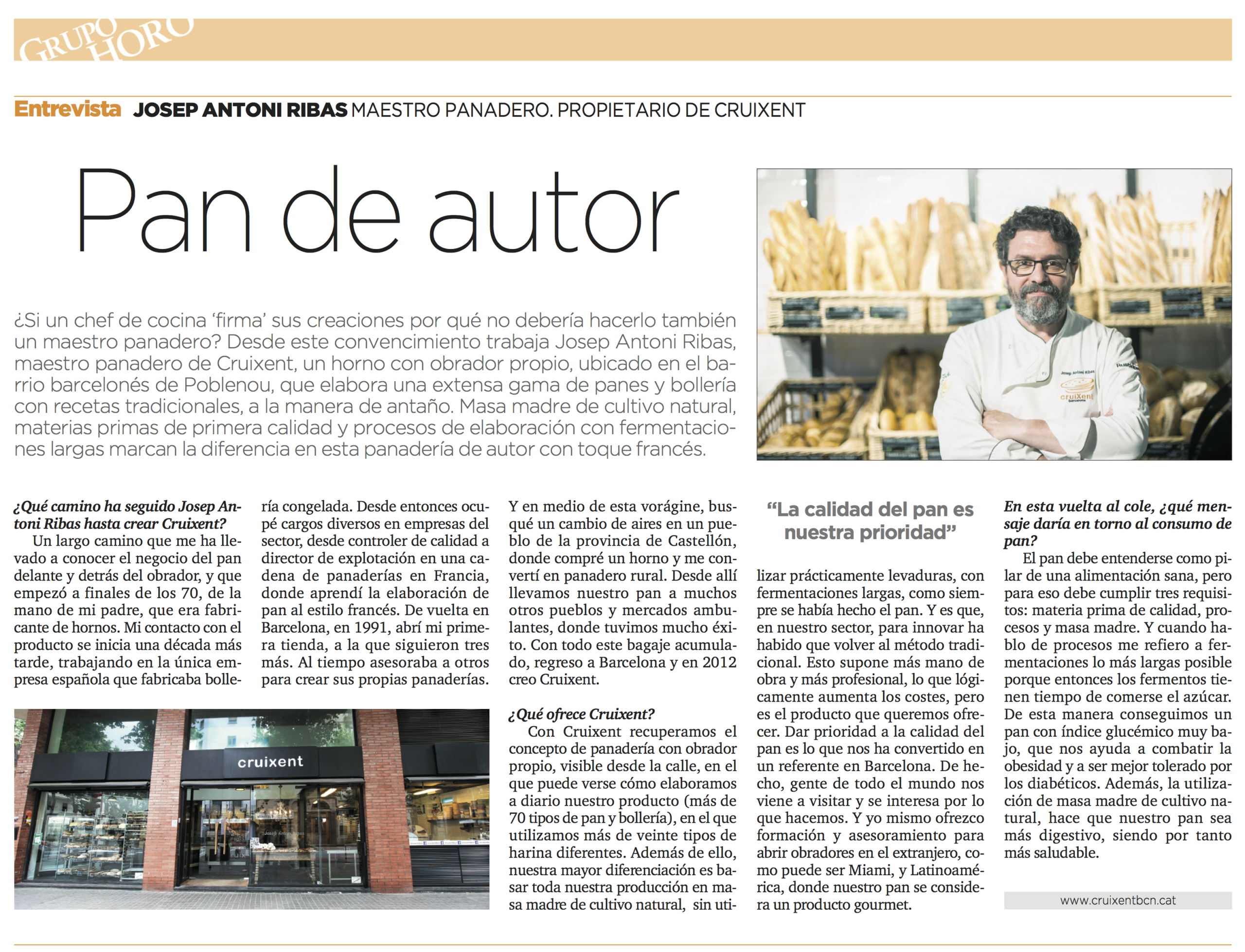
PRENSA_LA_VANGUARDIA_2018
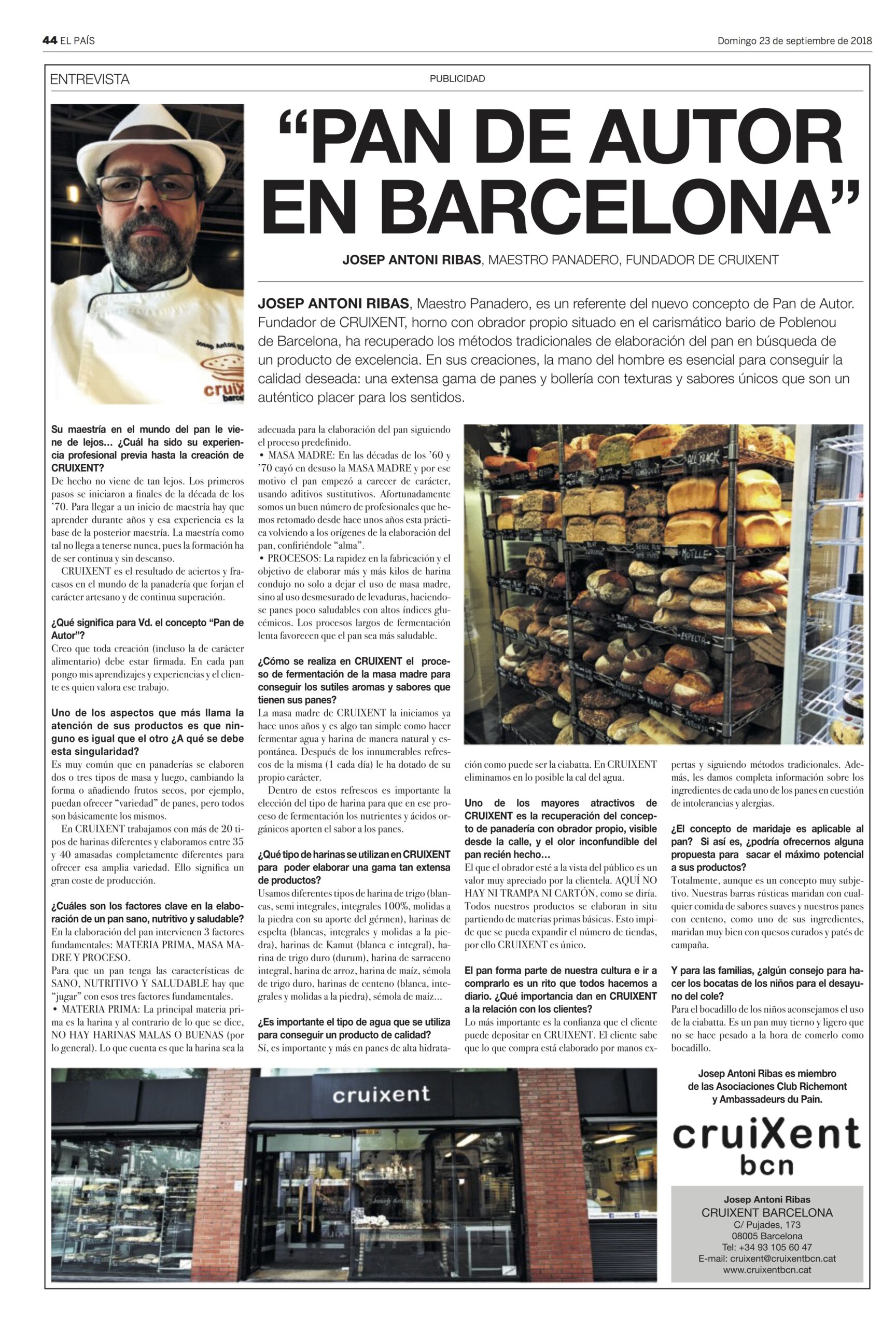
PRENSA_EL_PAIS_2018
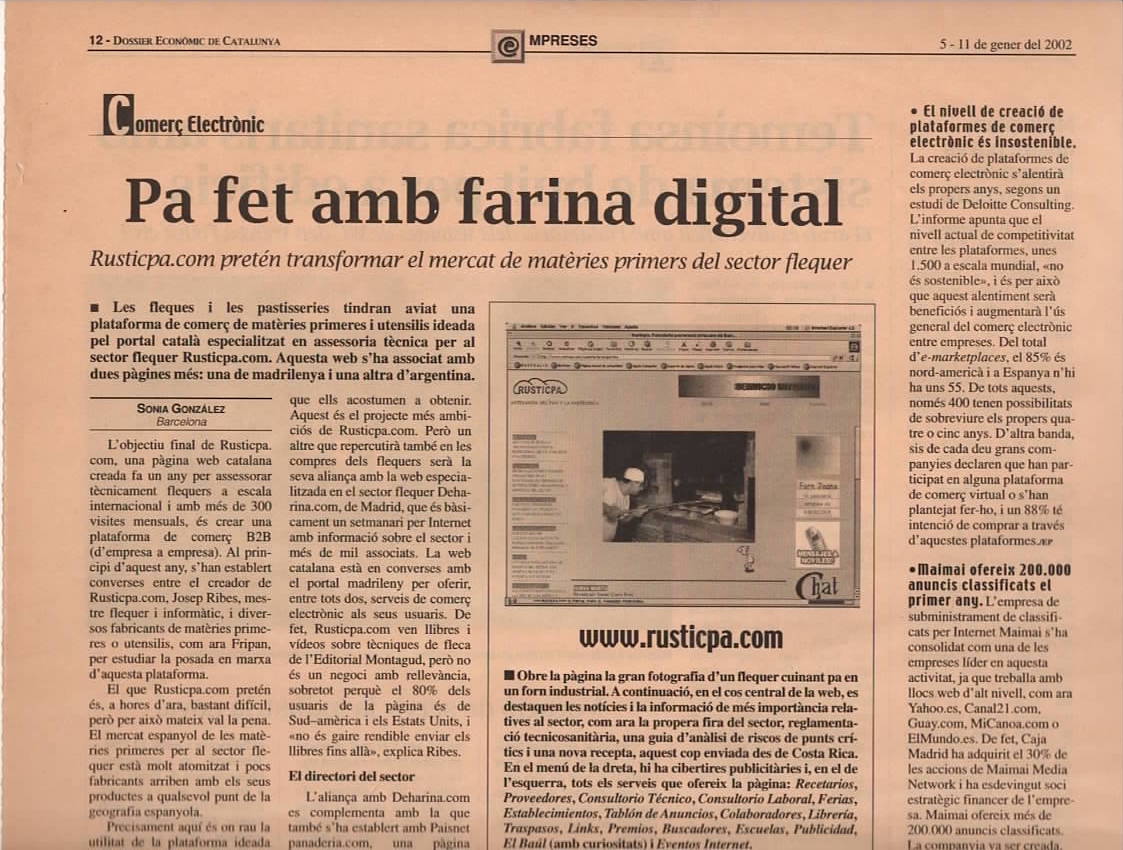
PRENSA_ECONOMIC_CATALUNYA_2002
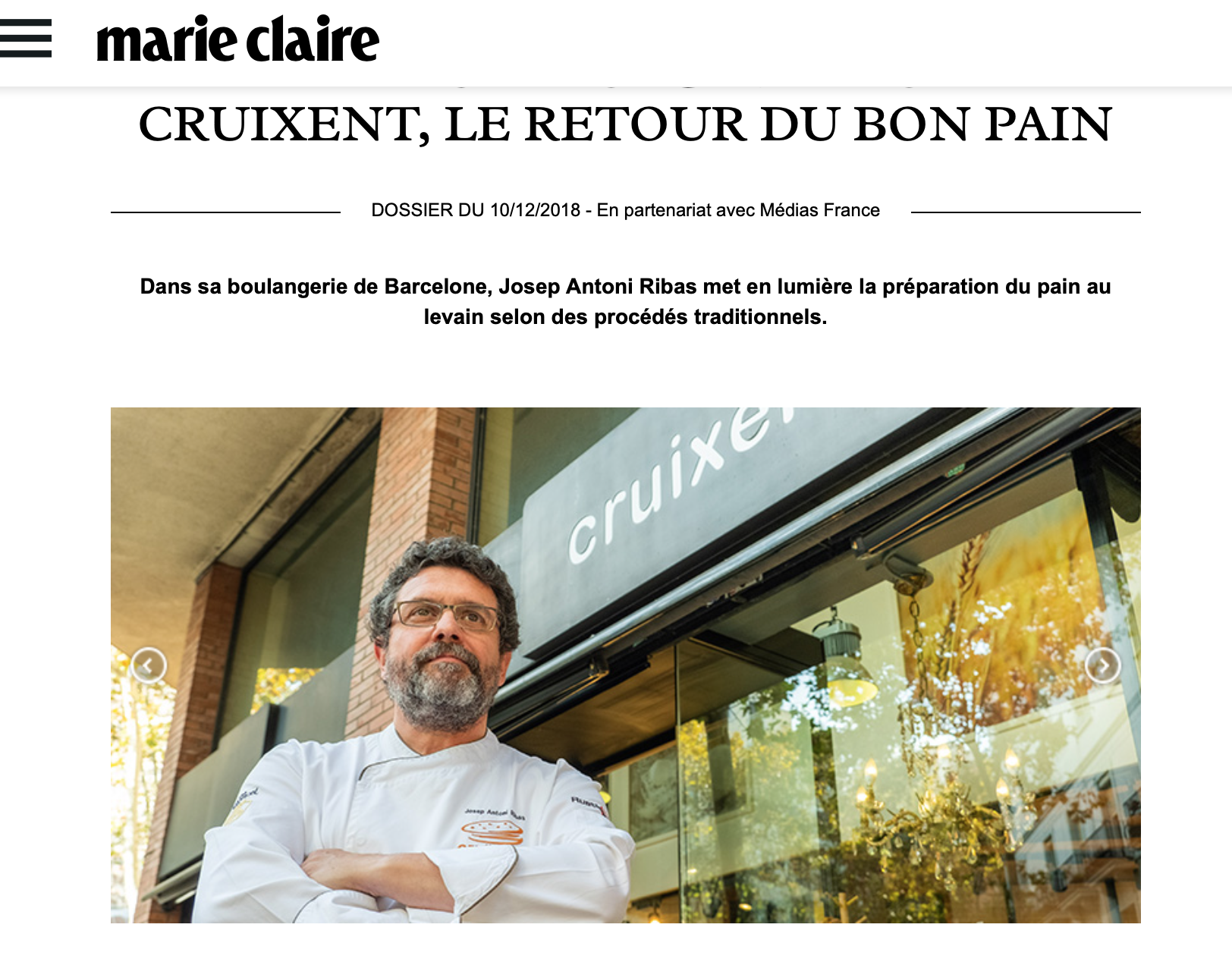
PRENSA_MARIE_CLAIRE_2018
Events
MAYCA HALL 2026
We participated in the MAYCA 2026 trade show in Costa Rica as Master Baker consultants for BONGARD, alongside MULTIVAC—their official technical representative for Costa Rica and Central America. This event served as an opportunity to introduce European bakery machinery and techniques to the Costa Rican market, as part of the partnership we are building among BONGARD, MULTIVAC, and AMURA to establish the country's first European-style bakery school.
Duration: 1:37
Date: 03/09/2026 - Costa Rica